April 27, 2026
Regular electrical inspections are one of the most effective ways to protect your property, maintain compliance, and prevent costly issues before they escalate. Whether you own a home or manage a commercial facility, working with a licensed electrician ensures your system remains safe, functional, and aligned with current standards. Over time, wiring systems experience wear, environmental stress, and modifications that can compromise performance.
Routine evaluations provide clarity, reduce risk, and help you stay ahead of potential hazards. Taking a proactive approach to inspections also gives property owners greater confidence in the long-term integrity of their electrical systems. Adding this level of preventative care helps ensure small electrical issues are addressed before they develop into more serious and costly problems.
Preventing Safety Hazards Before They Escalate
Identifying Hidden Electrical Risks
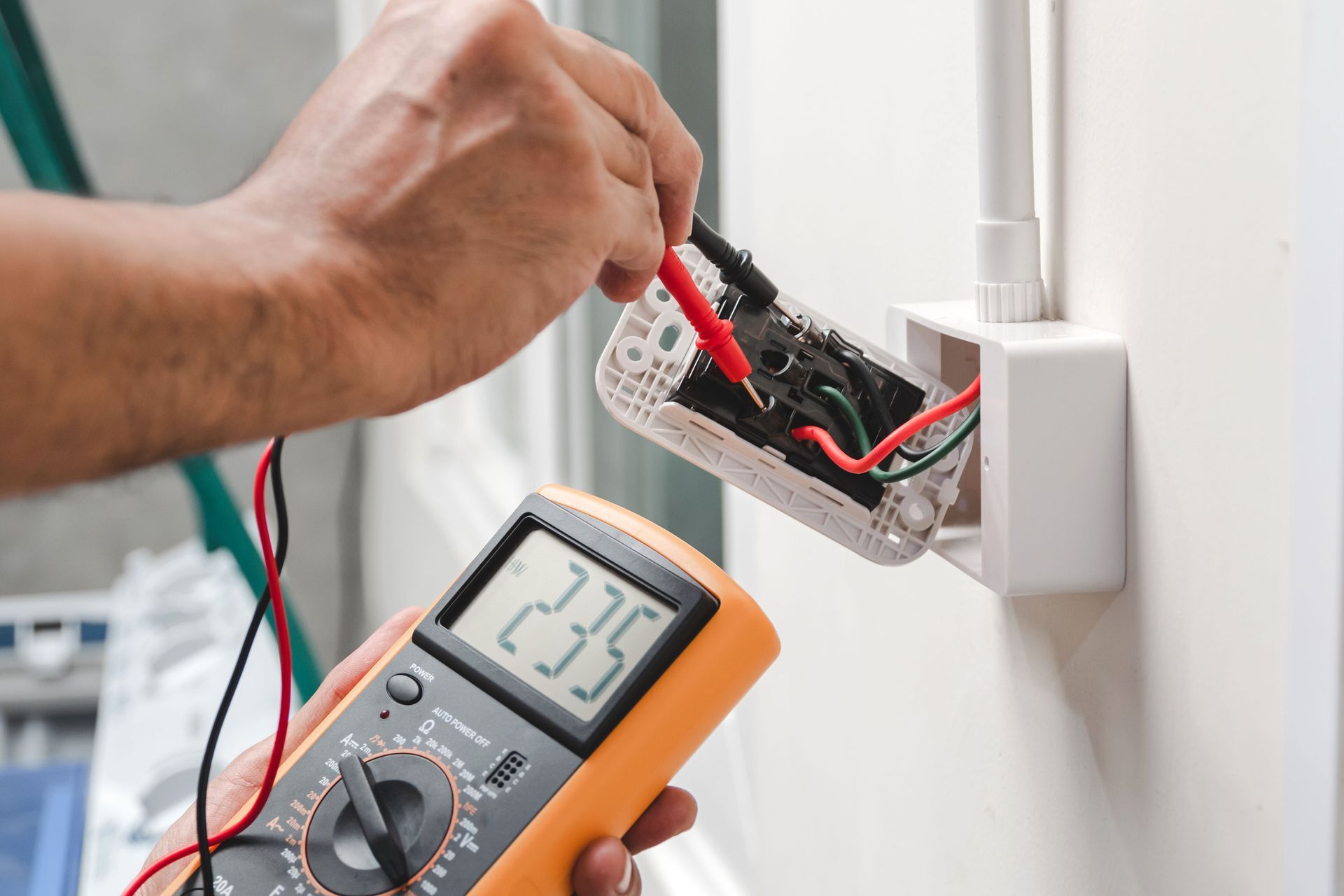
Electrical systems often develop issues that are not immediately visible. Worn insulation, loose connections, overloaded circuits, and outdated components can all exist behind walls or within panels without obvious warning signs. A licensed electrician has the training and diagnostic expertise to uncover these hidden risks during a detailed inspection.
By systematically evaluating wiring, outlets, panels, and grounding systems, professionals can detect early-stage problems before they become dangerous. This proactive approach significantly reduces the likelihood of electrical fires, shocks, or system failures. In many cases, minor corrections made during an inspection can prevent major repairs later. This level of thoroughness ensures that even subtle warning signs are not overlooked.
Reducing Fire and Shock Hazards
Electrical malfunctions are a leading cause of property damage and safety incidents. Faulty wiring, improper installations, and neglected maintenance all increase the risk of overheating and sparking. Regular inspections from a licensed electrical professional help ensure that all components are functioning within safe parameters.
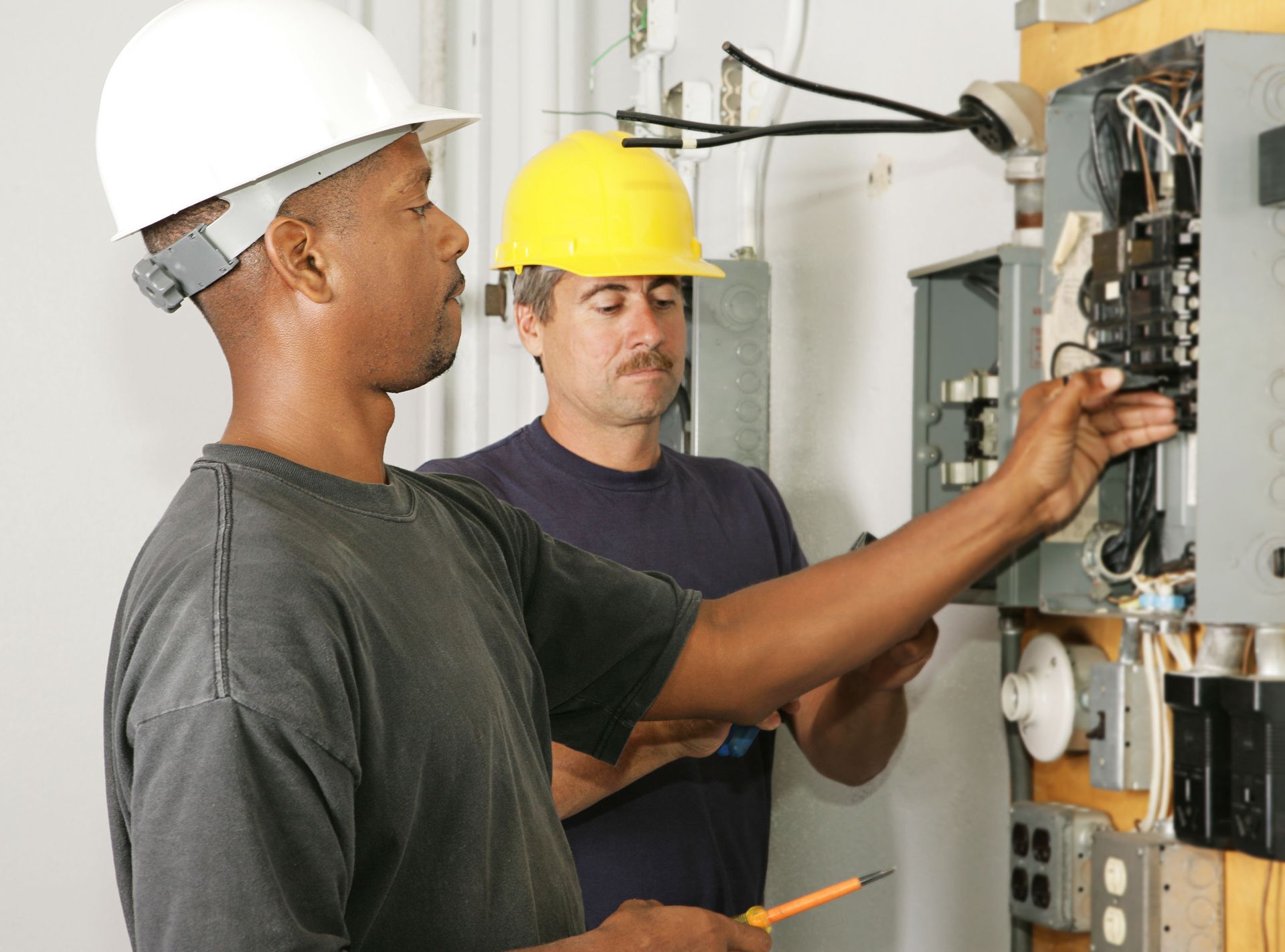
During an inspection, the electrician will assess load distribution, verify proper circuit protection, and confirm that safety devices such as breakers and grounding systems are working correctly. These measures play a critical role in minimizing the risk of fire and protecting occupants from electrical shock. Consistent oversight also helps maintain a safer environment for both residents and employees.
Addressing Wear and Aging Components
No electrical system remains in perfect condition indefinitely. Over time, wiring insulation can degrade, connections can loosen, and components can become outdated. Older properties are especially vulnerable, as they may still rely on systems that no longer meet modern safety expectations. A licensed electrician evaluates the overall condition of your system and identifies areas where age-related wear may be compromising performance.
Replacing or upgrading these components not only improves safety but also enhances reliability. This is particularly important for properties that have undergone renovations or increased electrical demand over the years. Timely upgrades can also prevent recurring issues that stem from outdated infrastructure. Regular evaluations also help prioritize which components should be addressed first, allowing for more strategic and cost-effective maintenance planning.
Ensuring Compliance With Current Electrical Standards
Keeping Up With Code Requirements
Electrical codes are regularly updated to reflect new safety standards and industry best practices. What was considered acceptable a decade ago may no longer meet current requirements. Without periodic inspections, property owners may unknowingly operate systems that are out of compliance.
A licensed electrical professional stays informed about these changes and ensures your system aligns with the latest regulations. This is especially important when preparing for property sales, renovations, or insurance evaluations. Maintaining compliance helps you avoid fines, delays, and complications during inspections by local authorities. Staying current with code requirements also reinforces overall system safety and reliability.
Supporting Property Transactions and Renovations
Electrical inspections are often a key component of real estate transactions and construction projects. Buyers, sellers, and contractors rely on accurate assessments to confirm that systems are safe and properly installed. A licensed electrician provides detailed documentation that supports these processes.
For renovations, inspections ensure that any new work integrates seamlessly with existing systems. This reduces the risk of incompatibilities, overloads, or code violations. Having a professional evaluation before, during, and after construction helps keep projects on track and prevents costly corrections later. Clear documentation also helps streamline communication between all parties involved.
Meeting Recommended Inspection Intervals
Consistency is essential when it comes to electrical safety. According to Westfield Insurance, property owners should arrange for a licensed electrical contractor to examine their wiring every three to five years to confirm it meets current electrical standards. Following this guidance ensures that your system is reviewed regularly and remains aligned with evolving requirements.
Routine inspections create a structured approach to maintenance, making it easier to track changes, address concerns promptly, and maintain a high level of safety over time. This level of diligence is especially valuable for older properties or buildings with complex electrical systems. Establishing a regular inspection schedule also reduces the chances of unexpected issues arising between evaluations.
Protecting Your Investment and Long-Term Reliability
Preventing Costly Repairs and Downtime
Electrical failures can be expensive and disruptive. Unexpected outages, damaged equipment, and emergency repairs often result from issues that could have been identified earlier. Regular inspections from a licensed electrician help prevent these scenarios by catching problems in their early stages. By addressing minor concerns before they escalate, property owners can avoid significant repair costs and minimize downtime.
This is particularly important for businesses that rely on consistent electrical performance to maintain operations. Preventive maintenance ultimately provides a more predictable and manageable approach to system upkeep. It also allows property owners to budget more effectively for future maintenance needs.
Improving System Efficiency and Performance
An optimized electrical system operates more efficiently and delivers consistent performance across all connected devices. Overloaded circuits, poor connections, and outdated components can reduce efficiency and strain your system unnecessarily.
A licensed electrical contractor evaluates how power is distributed throughout your property and identifies opportunities for improvement. This may include redistributing loads, upgrading panels, or replacing inefficient components. These adjustments not only enhance performance but also contribute to a more stable and reliable electrical environment. Improved efficiency can also support better overall energy usage within the property.
Extending the Lifespan of Electrical Components
Like any infrastructure, electrical systems benefit from regular maintenance. Inspections help ensure that components are functioning as intended and are not subjected to unnecessary stress. By maintaining proper conditions, you can extend the lifespan of wiring, panels, and other critical elements.
A licensed electrician provides guidance on when to repair, replace, or upgrade specific components based on their condition and usage. This strategic approach helps you get the most value from your system while avoiding premature failures. Long-term maintenance planning also contributes to a more dependable and resilient electrical system.
Regular inspections are a critical part of maintaining a safe, compliant, and efficient electrical system. By working with a licensed electrician, property owners gain access to expert evaluations that identify risks, ensure adherence to current standards, and support long-term reliability.
From preventing hazards to protecting your investment, routine inspections provide measurable benefits that extend far beyond basic maintenance. Consistent oversight helps create a safer environment and ensures your electrical system continues to perform at its best for years to come. Making inspections a routine priority ultimately reinforces both safety and peace of mind. Prioritizing routine inspections ultimately strengthens long-term safety while reducing the likelihood of unexpected electrical disruptions. For a reliable licensed electrician you can count on, be sure to contact All Good Electric Corp!